




Tinted and solar films for automotive windows
Three film families to cover every automotive need: classic tint for everyday installs, high-performance ceramic for premium work, and PPF for paint protection. Designed for professional installers, regulation-compliant, ready to apply.
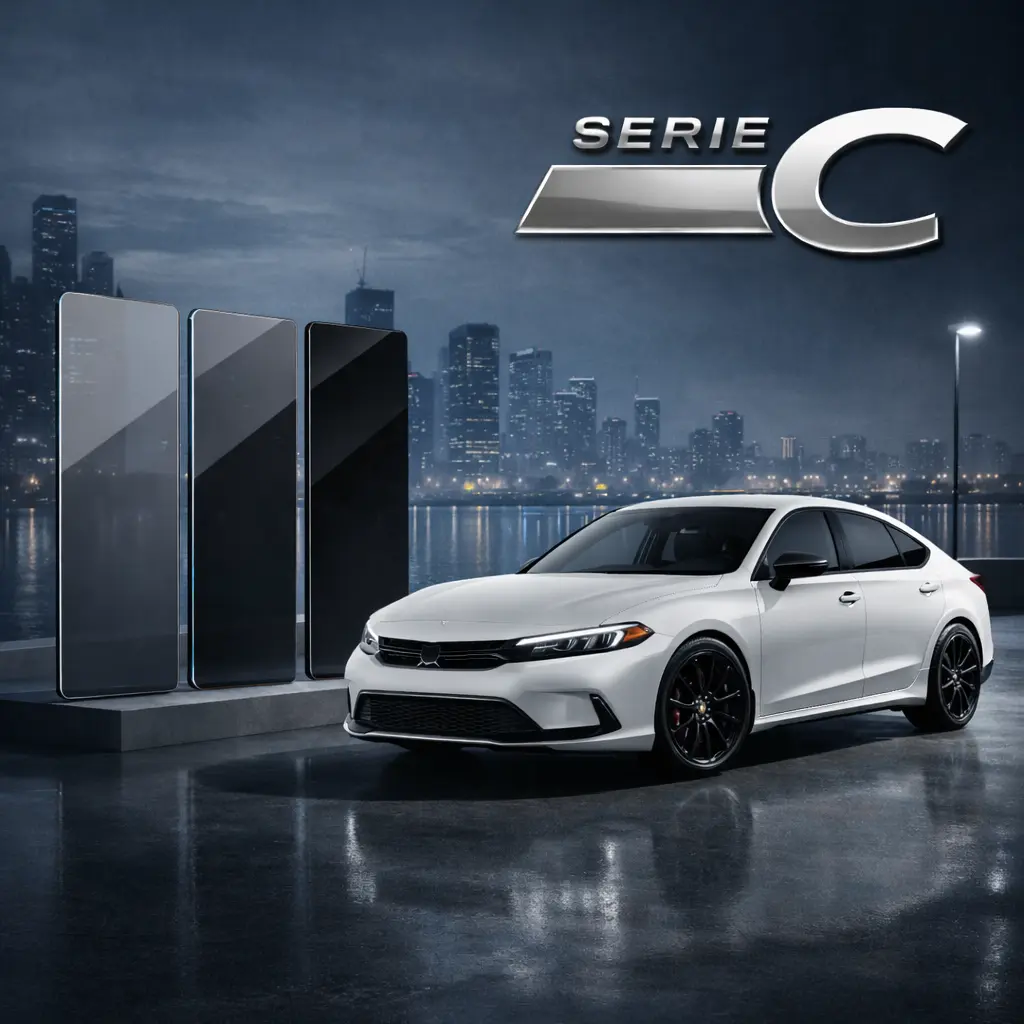
Automotive Window Tint Series C
Entry-level window films for thermal comfort and UV protection. A cost-effective solution for all vehicle types.
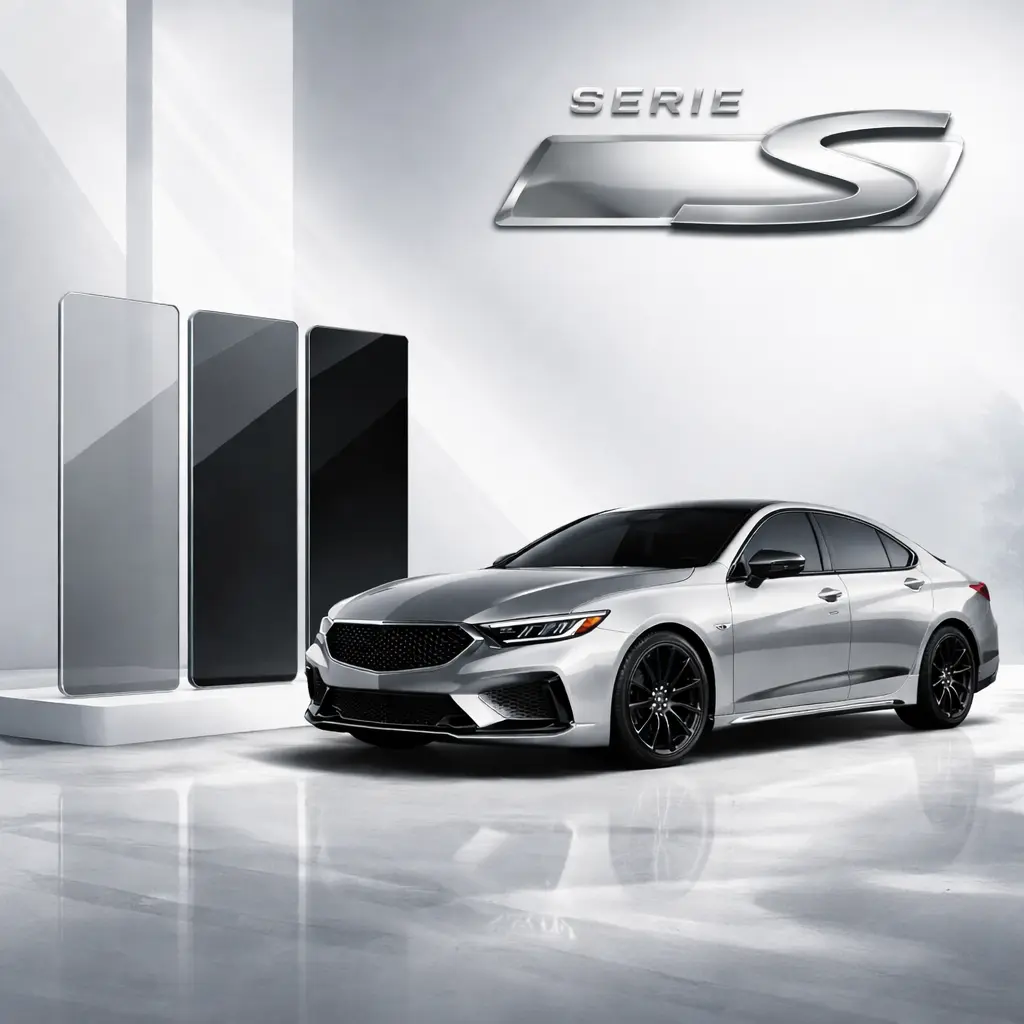
Automotive Window Tint Series S
Standard window films offering excellent value for money. Enhanced thermal performance and a wide range of shades.
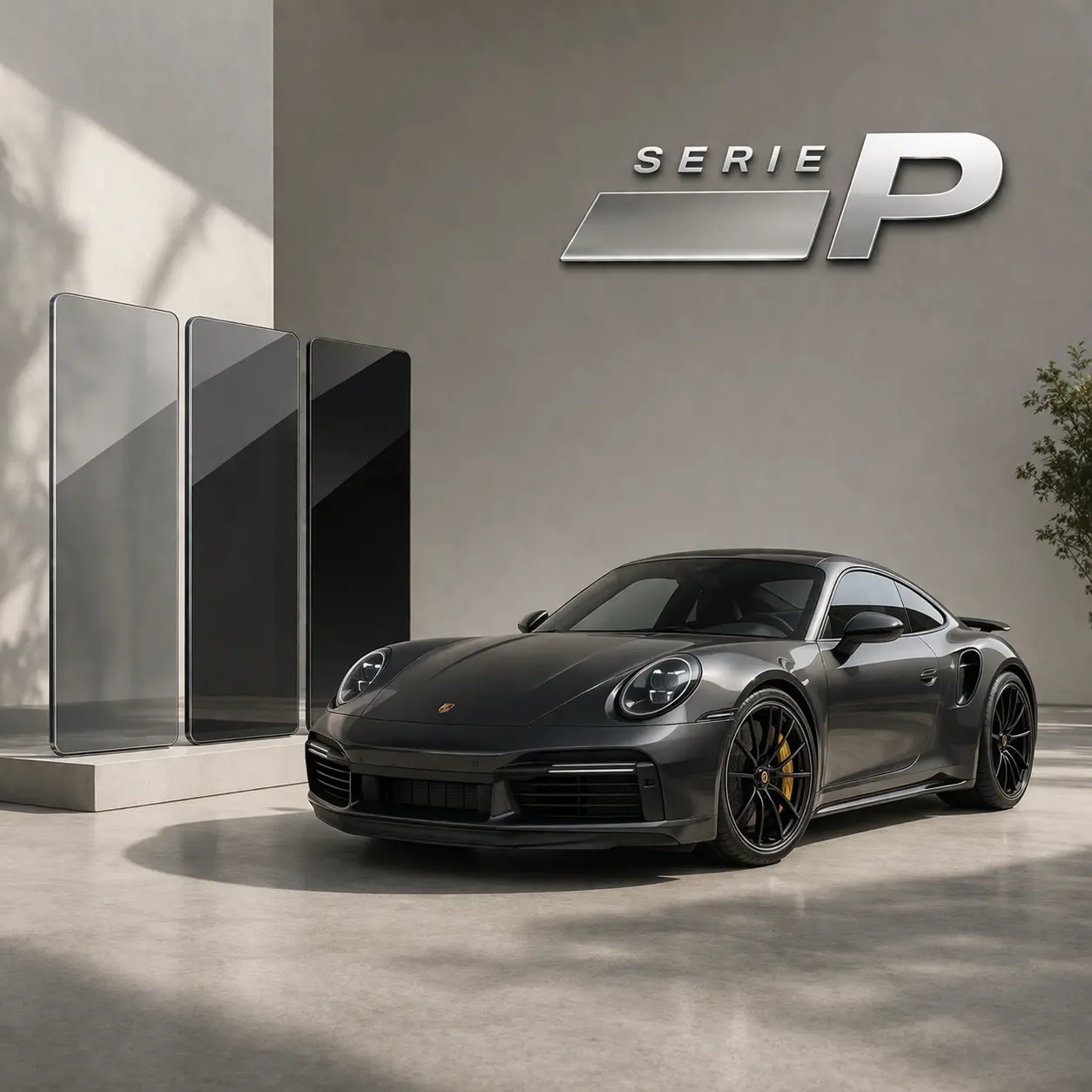
Automotive Window Tint Series P
Premium window films with advanced technologies. Maximum solar rejection and premium finishes.
Automotive Window Tint Series D
Designer window films with special effects. Metallic shades, gradients and exclusive finishes.
Automotive Window Tint Series EXLB
Ultra high-performance premium films. Cutting-edge technologies for solar rejection and ultimate protection.
Why install tinted film on a vehicle's windows?
A car parked in the sun can reach 60–70°C inside in midsummer. Air conditioning takes several minutes to catch up—and meanwhile drivers and passengers suffer. Tinted film reduces the solar energy passing through the glass before it reaches the cabin. The practical result: the car heats up more slowly when parked, the A/C works less hard on the move, and interior temperature stays more stable.
Thermal comfort: the real reason
The benefit is even greater with the ceramic technology of the EXLB series. Ceramic particles reject infrared more effectively than classic dyed films, without needing a very dark shade. You can achieve excellent heat rejection with a visually light tint.
UV protection: for occupants and the interior
All our automotive films filter 99% of ultraviolet rays—a benefit often underestimated. UV damages leather, fades dashboards and interior plastics, and exposes driver and passengers to cumulative exposure on long trips. For professional drivers who spend hours at the wheel every day, UV protection is not a luxury.
Regulations: what you need to know
In France, regulations require at least 70% visible light transmission on the windscreen and front side windows. Rear side windows and the rear window have no tint restriction. Our films are designed to be installed in compliance with these rules. C, S, P and EXLB series are intended for rear windows and the rear screen. For front windows, only very high light transmission films or clear UV films are compliant.
Aesthetics and privacy
Tinted film gives the vehicle a more finished, uniform look. Rear windows take on an even tint that visually integrates the vehicle. This is an aesthetic choice for private buyers and a functional one for professional fleets: vans carrying equipment, ride-hailing vehicles and executive cars gain discretion with tinted rear glazing.
C/S series, P series, EXLB series: how to choose?
The C/S series at 23 microns and 35% light transmission is the pro entry-level film. It covers everyday needs: moderate tint, easy install, clean results. The P series at 46 microns and 20% light transmission steps up. The doubled thickness improves dimensional stability on install and scratch resistance. The darker shade offers more heat rejection and privacy. The EXLB ceramic series at 46 microns and 20% light transmission is the premium line. Ceramic technology rejects more heat than classic dyed films at an equivalent shade.
Paint protection film (PPF)
Paint protection PPF is not a glazing film but it completes the automotive range. It is a clear high-strength polyurethane film applied to paint areas exposed to mechanical wear: bonnet, front bumper, wings, sills, door-handle cups, door thresholds, mirrors. It absorbs stone-chip impacts, resists light scratches, and protects against bird droppings, tree sap and bug splatter.
How does an automotive solar film work?
A tinted film is made of several technical layers that combine solar filtration and UV stabilisation. This structure controls light transmission, reduces heat and preserves the optical clarity of the glass.


